

JUMP TO :
JUMP TO :
How to Start Freelancing in 2026: The complete guide
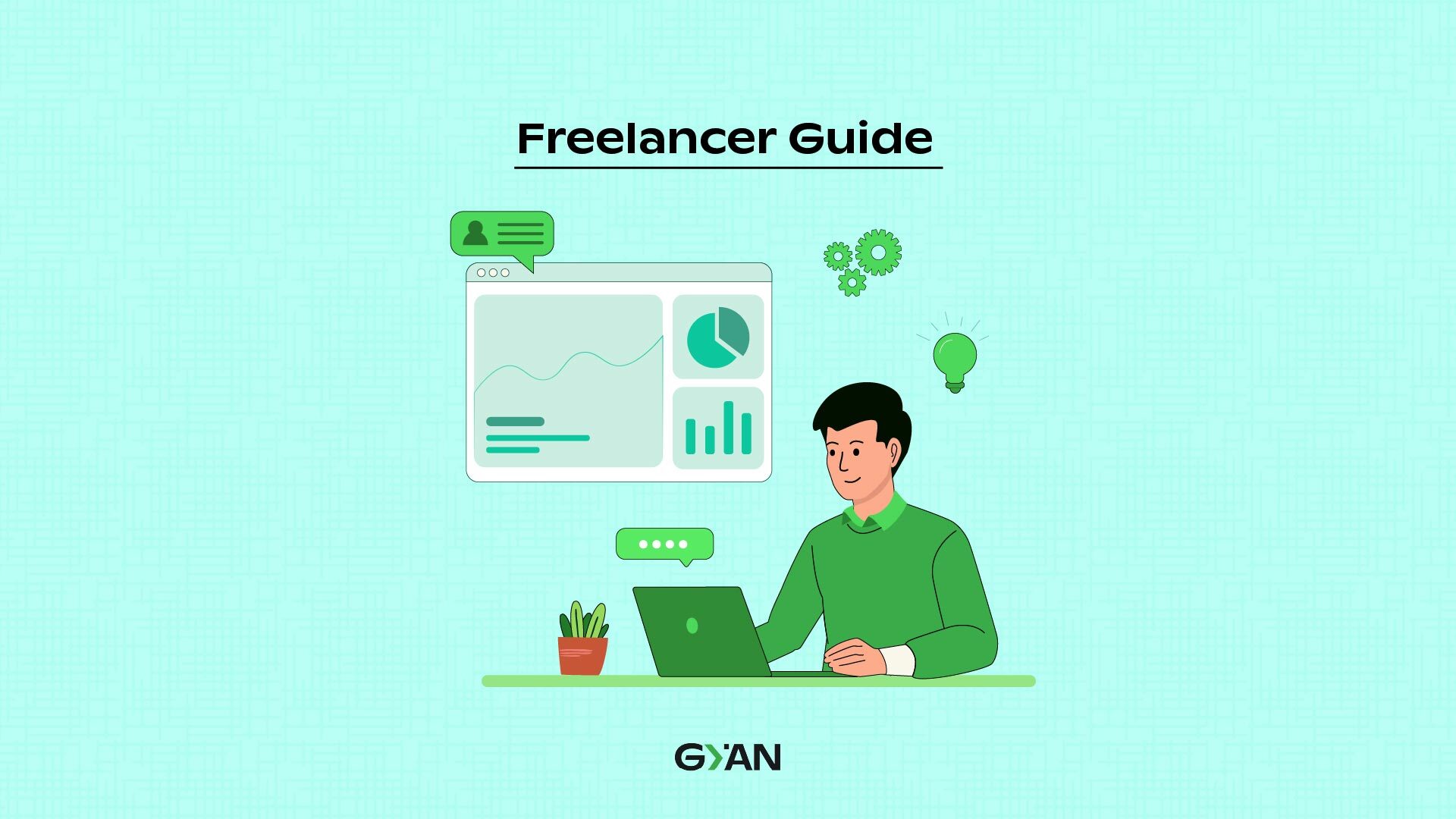
How many of us dream of working from a favorite cafe, watching the hills, or turning our passion into paychecks that actually pay? This year is going to be an exciting year for those who are serious about how to start freelancing in 2026.
India now has the second-largest freelancer population globally, with 12–15 million active freelancers. By 2030, that number is projected to hit 23.5 million, according to industry forecasts.
Remote companies are hiring from everywhere, giving freelancers access to global clients and better opportunities. On the flip side, niche experts and micro-consultants are proving that depth beats width.
There is no right or wrong way to start a freelancing career. Instead of depending on freelancing platforms alone, so many are building personal brands and creating careers that grow on their terms, not on an algorithm’s mood.
This blog has everything you need to take that leap of faith into freelancing in 2026 right from how to start as a freelancer, requirements for freelancing, and ways to create passive income.
Freelancing For Beginners: What To Expect?
A lot is happening in terms of trends and tech. AI tools are no longer just assists, they are doing so much automating administrative tasks, generating ideas, and helping us deliver fast.
Even remote first companies are hiring across borders, giving freelancers access to global clients and better pay. Niche experts and micro-consultants are replacing generalists, proving that deep skill surpasses broad knowledge.
And instead of only relying on platforms wondering how to start freelancing like Upwork, many mainstream freelancers are building personal brands that work organically. This way around requirements for freelancing, there is more control, more consistent income, and a career that grows on your terms, not on algorithms.
Benefits Of Freelancing In 2026
Freelancing in 2026 is all about freedom, flexibility, and financial growth. As a freelancer, you can set your own schedule, work from anywhere, and choose clients and projects that fit your goals. This independence helps you specialize in high-demand skills, grow professionally, and build a strong personal brand that attracts global opportunities and higher income.
- You control your work: You can choose clients, projects, and teammates that match your strengths and values… Not on someone else’s schedule.
- Earn what you’re worth: Many skilled freelancers today earn 2x – 3x more than others by setting their own rates and focusing on results.
- Work from anywhere: Whether it is a beach, a cozy cafe, or your home office – You can work from anywhere you want, literally anywhere!
- Keep learning and keep growing: Every project you work on builds new skills and keeps you ahead of trends in this fast-changing industry.
- Build your personal brand: This is especially important as clients will remember your name and the value you gave more than your company’s name.
- Think like an entrepreneur: A hard truth pill to swallow is that freelancers with niche expertise earn 40% more than generalists. So level up your game.
What Are The Best Freelancing Skills? (2026 Edition)
The best freelancing skills in 2026 combine creativity, technology, and business strategy. High-demand skills include web development, digital marketing, graphic design, content writing, and AI automation services.
- Tech & Digital: AI is creating new roles like Prompt Engineers & Automation Specialists. Additionally, skills in data analytics, web and app development & cybersecurity remain the top as businesses invest in secure online experiences.
- Marketing & Creative: Brands and audiences now need storytellers, not just designers: UI/UX design, content creation, writing, video editing & brand storytelling are in huge demand as all brands are vying for digital attention.
- Business & Strategies: Freelancers with marketing, consulting & finance expertise have the upper edge in stepping into leadership roles. Emerging postings like Fractional CMO let experts guide multiple brands and earn executive level pay.
To truly succeed as a freelancer, you also need strong business and client management skills like sales, pricing strategy, negotiation, and effective communication to consistently attract projects and build a profitable freelance career.
| Freelancing Skill | Beginner (₹/month) | Intermediate (₹/month) | Expert (₹/month) |
|---|---|---|---|
|
Web Development |
₹20,000–₹40,000 |
₹50,000–₹1,00,000 |
₹1,50,000–₹5,00,000 |
|
Digital Marketing / SEO |
₹15,000–₹30,000 |
₹40,000–₹80,000 |
₹1,00,000–₹3,00,000 |
|
Graphic Design / UI-UX |
₹15,000–₹35,000 |
₹40,000–₹75,000 |
₹80,000–₹2,00,000 |
|
Content Writing |
₹10,000–₹25,000 |
₹30,000–₹60,000 |
₹70,000–₹1,50,000 |
|
Video Editing |
₹12,000–₹25,000 |
₹30,000–₹70,000 |
₹80,000–₹2,00,000 |
|
AI Prompt Engineering |
₹20,000–₹40,000 |
₹50,000–₹1,00,000 |
₹1,50,000–₹4,00,000 |
How to Start Freelancing in 2026 (Even With Zero Experience)
To start freelancing in 2026, pick a niche skill, build a strong online portfolio, and join top freelancing platforms like Upwork or Fiverr. Focus on client communication, pricing strategy, and personal branding to grow a successful freelance career.
- Define Your Niche: Pick one skill you are good at. Clarity attracts better clients. Take time to research whether it can be monetized, too.
- Research Demand & Pricing: Know what skills are in demand and what people are paying for them. Price your fee accordingly.
- Build A Portfolio: Show clients how cool you are. You can create mock projects to show your quality, creativity, and how talented you are.
- Set Up Profiles: There are SO MANY freelancing platforms. Use platforms like Upwork, Fiverr or Toptal to showcase your work.
- Write Custom Proposals: Don’t send duplicate content to all clients. Speak to each client, understand their goals, and never copy-paste.
- Deliver & Collect Proof: Quality work brings testimonials and repeat projects. Don’t hesitate to ask for referrals and shoutouts from your clients.
- Keep Learning: The times are changing so fast. And you also need to. Take courses, test tools, attend informative workshops, and build a powerful mindset.
Hope these points gave you a better understanding of how to start freelancing in 2026 to bring in clients, build credibility and create long-lasting relationships.
Best Freelancing Platform in India (2026)
In 2026, the best freelancing platforms in India are dominated by Upwork for high-value projects and Fiverr for quick, packaged gigs. All platforms have embedded AI-powered matching tools to improve efficiency. Emerging platforms like Jobbers.io (zero-commission) and specialised networks like Toptal are gaining traction among AI/ML experts.
For global clients: Upwork (largest global marketplace, ₹20,000–₹80,000/month for beginners), Fiverr (gig-based, great for creatives), Freelancer.com, Toptal (premium, vetted network)
For Indian clients: Truelancer (India-focused, INR payouts, low fees), Internshala (students and freshers), WorkNhire
For payments: Payoneer (international), Wise (best exchange rate), Razorpay (Indian clients)
What Are The Best Tools For Freelancers In 2026?
The best tools for freelancers in 2026 include project management apps like Notion and Trello, communication tools such as Slack and Zoom, and financial software like QuickBooks or Wave for invoicing and accounting. Creative freelancers rely on Canva or Adobe Creative Cloud, while cloud storage tools like Google Drive and time-tracking apps like Toggl or TMetric help boost productivity and organization.
- Notion, C
- ClickUp & Trello to plan projects and stay organized
- Build a millionaire growth mindset with Success Gyan
- Slack, Zoom & Loom to communicate clearly
- For payments & invoices: Payoneer, Wise, Bonsai
- Boost productivity with ChatGPT, Jasper & Canva AI
- Build online presence: Notion, Behance, Dribbble
For both freelancing for beginners and experts, the tools you use can make or break your freelance flow. There are so many tools to choose from. That’s the best part. And the not so one too. Here are a few tools freelancers can use to speed up their work:
Personal Branding For Freelancers: Is it needed?
Personal branding for freelancers means defining your niche, creating a consistent brand identity, and showcasing your expertise through a professional freelance portfolio website and social media presence. Engage with your industry, share valuable insights, and build credibility to attract high-paying clients and long-term opportunities.
- Define your niche, again. Be VERY CLEAR about who you help, how you help, what you do, what makes your approach unique & different from others.
- Show up online. Use LinkedIn, Medium, or your own website to share insights and showcase projects. Choose one platform exclusive for your freelancing profile.
- Create valuable content. Post about your work online. Publish short blogs, carousel or newsletter that help you reach your audience and attract prospects.
- Share success stories. Real results always build credibility faster than self-promotion ever will. Show how your work made a difference for the clients.
- Attend workshops. You can attend personal growth workshops to develop your zeal and also meet people who’ll cheer you along the way.
Once your personal brand starts growing organically and when your brand reflects your values and results, clients find you, and not the other way around. This is an essential part of freelancing for beginners to do when you start.
Requirements For Freelancing & Business Side
The key requirements for freelancers in 2026 include strong professional skills, a well-built freelance portfolio, and qualities like discipline, time management, and clear communication. You’ll need expertise in your niche, a reliable internet connection, and tools to manage projects and finances. Showcasing your work online and using freelance platforms like Upwork or Fiverr helps attract clients and grow your career.
Right from the start, as you learn how to start freelancing to build that as a business, you should learn how to price smartly. For example: Hourly for flexibility, project-based for clarity, and retainer for steady income. You can even set up simple systems in place for contracts, taxes & invoices to stay compliant and stress-free.
Additionally, you can also diversify your income through consulting, selling digital products, or online courses, so you’re not dependent on just one or a couple of clients.
And if needed, your business can operate as a sole proprietor to build credibility and access financial benefits. When you treat freelancing like a business, you create long-term growth that feels both secure and scalable.
Key Takeaways & Freelancing Tips
- Use AI tools to speed up client delivery
- Track work hours with smart time apps
- Create contracts using reliable online templates
- Send invoices automatically via accounting platforms
- Schedule follow-ups to maintain client relationships
- Upskill monthly using short online micro-courses
- Optimize LinkedIn profile for freelance keyword visibility
- Use Notion or Trello for task management
- Store all files securely with cloud backups.
- Build passive income using digital product sales
- Analyze project profitability using simple finance dashboards
- Collect client testimonials after every successful project
Taxes and GST for Freelancers in India (2026)
Indian freelancers must register for GST if their annual turnover exceeds ₹20 lakh. Most services attract an 18% GST rate, with mandatory filing of periodic returns. Export services are zero-rated, while AI tools are transforming GST compliance through automated invoicing.
- Freelancing income is taxable under “Income from Business or Profession” in India
- File ITR-3 or ITR-4 depending on income
- If annual turnover exceeds ₹20 lakhs, GST registration is mandatory
- For international clients, register under LUT to charge 0% GST on exports
- Keep invoices, receipts, and bank statements for all transactions
- Claim deductions on internet bills, software subscriptions, and equipment
Need help with your ITR? Check out this ITR filing guidance for step-by-step support.
Wrapping Up on Freelancing in 2026
The more you treat freelancing as your own business, the more freedom and stability you’ll create. So keep learning, keep experimenting, building your personal brand, and showcase results around the value you deliver.
- Use the right tools
- Post consistently
- Specialize in a skill
Well, freelancing should not be about chasing projects; it should be about designing a life that fits your vibe.
Hope this article gives you a better idea of how to start freelancing in 2026. And to sum up, the future of freelancing will belong to those who create with heart, lead with skill, and never stop evolving.
Freelancing gives you income. The right money mindset gives you wealth.
At the Millionaire Mind Intensive, Thaddeus Lawrence teaches the exact money principles that help Indians go from trading time for money to building real financial independence. Join thousands of Indian professionals who’ve already made the shift.
Frequently Asked Questions (FAQs)
Starting a freelance skill in India with no experience requires you to identify a marketable skill like writing, social media management or graphic design. Build a portfolio through sample projects and join platforms like Upwork and Fiverr to look out for job postings from clients.
Yes, a beginner with no experience can become a freelancer in 2026 by picking a specific skill and creating a professional portfolio of sample projects. Through consistent learning and targeting small projects, you can gain experience in the niche you are skilled at working in.
A freelancer's portfolio must include 4 - 6 strong, relevant samples of work, a concise “About Me” section and clear contact information. Beginners in India typically earn ₹10,000 - ₹30,000 per month, depending on skill and project volume. Hourly rates start from ₹300 - ₹1500 based on the niche.
In 2026, the best freelancing skills in India are driven by AI adoption, data and digital transformation. Generative AI (GenAI), Data Analytics and specialised digital marketing are also in high demand. Top-paying roles include prompt engineering, cybersecurity and full-stack software development.
Yes, freelancing is legal in India, provided taxes are paid. However, freelancers must register for GST if their annual income exceeds ₹20 lakh. It also depends on your employment status; if you are doing a full-time job alongside, violating non-compete or confidentiality clauses can lead to termination.
Recommended posts


Related Content




Millionaire Mind Intensive is about unlocking your financial freedom and strengthening your relationship with money.
Quick Links
Contact Info
Success Gyan India LLP
S5, Thiru Vi Ka Industrial Estate,
Guindy, Chennai – 600032