

JUMP TO :
JUMP TO :
How To Avoid Overspending Using Expense Trackers
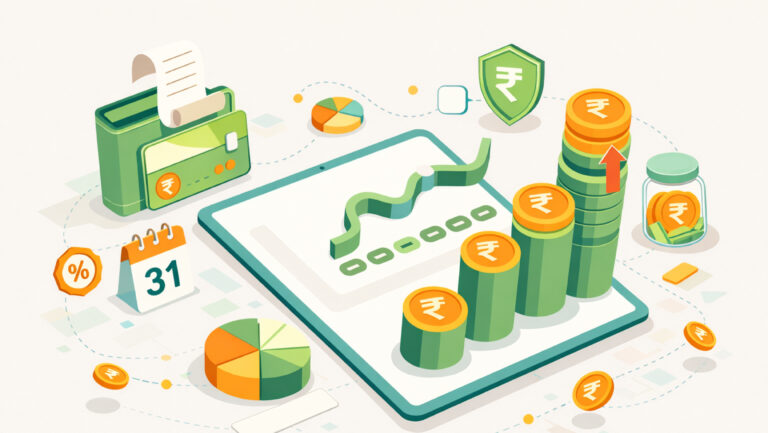
We all work hard to earn money to live a good life. After we earn, we spend our money on things that make us happy, too. But sometimes we go overboard and spend too much, only to regret it later. By the time we realise we’ve reached minimum balance, it’ll be too late. Overspending may not be intentional, but it results from the desire for impulsive purchases. Although traditional budgeting methods and tracking expenses serve as tools for money management, it has often gone vain. Overspending when not managed properly can become a habit that worsens our lifestyle and deprive of our savings for our future.
To take control of your money, avoid overspending with expense trackers that paves way to monitor spending habits. Allow yourself to learn these simple expense tracker tips to save money before it’s too late.
What Are Expense Trackers?
Expense trackers are digital tools or apps that automatically record, categorise and analyse your spending, helping you monitor cash flow, manage budgets and improve financial control in real time.
In India, expense trackers work best when they support UPI transaction tracking and SMS-based bank alerts, since most banks send SMS notifications for every transaction. The framework introduced by the Reserve Bank of India allows individuals and businesses to securely share their financial data with banks, NBFCs, fintech apps, etc, only after their consent.
Why Do People Overspend?
To stop overspending, set spending limits, use the 24-hour rule before purchases, create intentional friction like removing saved payment methods, and follow no-spend challenges to build discipline.
1. UPI & BNPL Overspending
With the current trends toward online shopping apps and promotions, people are always caught up ordering something or the other. A Bajaj AMC study found people spend 12-18% more using digital payments vs cash because the brain feels less “pain” parting with digital money.
Sales tactics like EMI options and BNPL methods also heavily influence online shoppers. 72% of BNPL users admit it leads to more impulse purchases. An IIIT Delhi study found 75% of UPI users admit spending more since switching from cash.
2. Emotional Spending Triggers
– Stress
– Social media comparison
– FOMO (fear of missing out)
– Retail therapy
3. Discounts & Limited-Time Offers
Consumer behaviour is strongly influenced by psychological triggers associated with discounts, which create a sense of urgency and perceived value. Most customers are motivated by price reductions, special promotions, and seasonal sales, as they perceive greater value for money.
How Expense Trackers Help You Avoid Overspending
Expense trackers prevent overspending by showing real-time spending data, setting budget limits, sending alerts and highlighting unnecessary expenses, enabling users to make more controlled financial decisions.
Visualise Your Spending Patterns: Instead of manually reviewing bank statements, an expense tracker provides you with data in an easy-to-understand format, like charts and graphs. This visual representation helps you identify which spending habits are impacting your savings goals.
Set Realistic Budgets: Expense trackers act as a foundation to prevent overspending by providing clarity. It allows you to allocate realistic amounts to each category rather than arbitrary limits that are difficult to adhere to.
Hold Yourself Accountable: By categorising expenses automatically, trackers alert you to areas you consistently spend. Seeing the cumulative total of purchases in one category can be an eye-opener and fosters accountability.
Automated Tracking & Alerts: These tools can be configured to alert users when they approach or exceed specific budget categories. This immediate feedback helps prevent impulsive or excessive spending before it happens.
Real-life example:
Meera, a Mumbai-based professional, sets a ₹4,000 monthly limit on food delivery apps like Swiggy and Zomato using the Walnut app. When her spending reaches ₹3,200, she receives an alert, prompting her to switch to home-cooked meals for the rest of the month. This simple system helps her consistently save ₹800 every month without feeling restricted.
An expense tracker shows you where your money went. But if knowing where it went does not change where it goes next month, the problem runs deeper than visibility.
This is a common experience for many people. You become more aware of your spending, yet the behaviour stays the same. Because it becomes a pattern driven by emotions, habits and unconscious decisions.
As Thaddeus Lawrence who runs the 3-day Millionaire Mind Intensive explains, awareness is necessary, but not sufficient. Real change begins when you address the underlying patterns behind your financial decisions.
Best Expense Tracker Apps & Tools
The best expense tracker apps in India include Walnut, Moneyview, ET Money and Goodbudget, offering features like SMS tracking, UPI support and budget management for different user needs.
Walnut App
The Walnut App is a popular App for personal finance in India. Primarily known for automatically tracking expenses by analyzing your SMS inbox for bank and bill messages, helping you manage spending, set bill reminders and see spending patterns.
Pros: Auto-tracks expenses via SMS and supports most Indian banks and cards.
Cons: Ads in the free version, limited customisation and relies on SMS permissions.
Money Manager (Expense & Budget)
Money Manager is a top-rated free Android App designed for comprehensive personal finance tracking, featuring expense recording, budget planning, credit/debit card management and asset monitoring. It uses double-entry bookkeeping to manage savings, loans and investments, with data secured by a passcode.
Pros: Very popular in India, offline support, detailed charts and full manual control.
Cons: No automatic bank or UPI sync may be required, resulting in consistent manual entry.
Spendee
Spendee App is a tool to help users track expenses, plan budgets and manage income to improve their financial health. It provides an overview of your cash flow and spending habits through easy-to-read graphs and charts.
Pros: Clean visual breakdowns, supports shared wallets and premium bank sync.
Cons: Bank sync is paid and may not work smoothly with all Indian banks.
Excel / Google Sheets
Excel and Google Sheets are versatile tools for expense tracking, enabling users to log transactions. Key features include automating data entry using forms, collaborating in real time and generating reports to analyse financial habits.
Pros: Free, fully customizable, works well for Indian salary structures and categories.
Cons: Manual effort, no automation, easy to stop using without discipline.
Splitwise
The Splitwise app is used to easily track, split and settle shared expenses among friends and roommates. Users add expenses, specify who paid and who shared, and the app calculates balances, allowing you to settle the spent money.
Pros: Popular in India, suitable for roommates and group expenses.
Cons: Not meant for personal budgeting
Practical Steps to Stop Overspending
To stop overspending, set spending limits, use the 24-hour rule before purchases, create intentional friction like removing saved payment methods and follow no-spend challenges to build discipline. Some effective ways to stop overspending include:
Intentional Friction
Intentional friction in spending is the deliberate act of adding small hurdles to the purchasing process to prevent impulse buys. Delete saved card details from e-commerce platforms, disable one-click purchases and avoid auto-fill options. You can also use a separate UPI-linked account with a fixed monthly shopping budget. This small friction creates a pause to rethink unnecessary purchases.
Set a Weekly UPI Spending Limit
Most users overlook this powerful control. Apps and banks supporting UPI (like PhonePe, Google Pay and Paytm) allow you to set daily or weekly spending limits. While many banks permit ₹10,000–₹50,000 per day, lowering your limit encourages financial control and discipline over digital spending.
Behavioural Tips
- Use the 24-hour rule before buying a non-essential item by waiting for 24 hours. This gives you time to think it over and decide if you actually need it.
- Try a ‘no-spend’ challenge by designating certain weeks in a month where you’re only spending money on essentials and avoiding spending on unnecessary expenses.
- Unsubscribe from email lists to avoid being tempted by their promotion or sale notifications.
Common Mistakes to Avoid
The most common mistakes are inconsistent tracking and not reviewing expenses regularly, which reduces the effectiveness of expense trackers and prevents meaningful financial improvement.
Being Inconsistent
A 2022 Bankrate survey found that only 27% of users stick to budgeting apps after three months, indicating that most people stop using them due to tracking fatigue or over-categorisation.
One of the biggest mistakes people make is assuming that choosing the right expense tracker is enough. In reality, consistency matters more than the tool itself.
Failing to Review
Tracking expenses without reviewing them regularly defeats the purpose. If you’re not checking your data, you’re not improving your decisions.
Actionable fix:
Set a fixed 10-minute time every Sunday to review your expense tracker. Put it in your Google Calendar like any other appointment. This simple habit turns tracking into real financial control.
Psychological Benefits of Expense Tracking
Expense tracking reduces stress, increases awareness and builds a sense of control by making spending visible, encouraging better habits through the observer effect and showing financial progress.
Observer Effect
Research in behavioral economics and psychology confirms that the act of tracking a behavior often changes it. Behavioural economists call this the ‘observer effect’: the very act of recording your spending makes you spend less, without any formal budgeting rules.
Making Invisible Money Visible
Digital payments, especially through UPI, often feel invisible because you’re spending numbers on a screen rather than real money. This psychological disconnect makes it easier to overspend without realizing it.
Expense trackers reverse this effect by making every transaction visible and tangible. By clearly showing where your money is going, they bridge the gap between spending and awareness. This shift helps you make more intentional financial decisions.
Reduces stress
Financial anxiety is a common source of worry. Tracking your monthly expenses is one of the simplest money management strategies. In psychology, clarity reduces anxiety because your brain no longer has to guess or stay on alert. It reduces your stress levels and gives you a sense of control over your life circumstances.
Sense of progress
Your brain is wired to look for progress. When you don’t see results, it’s easy to lose motivation and fall back into old habits. Staying within the budget provides a sense of accomplishment. Noticing progress, whether it’s paying down debt or increasing savings, motivates the individual to continue fostering the habit of managing money.
Key Takeaways
1. Overspending is driven by habits, emotions and digital convenience.
2. Expense trackers work only when used consistently.
3. When you clearly see where your money is going, you naturally reduce unnecessary spending.
4. UPI, BNPL and one-click purchases hide the pain of paying, while trackers bring that awareness back.
5. Budget limits, alerts and intentional friction prevent impulse spending before it happens.
6. A simple 10-minute check-in each week turns tracking into actual financial improvement.
7. When practised regularly, expense tracking becomes a habit that supports savings, reduces stress, and improves financial confidence.
Frequently Asked Questions (FAQs)
Track expenses by recording every rupee you spend with an expense tracker app, a notepad, a spreadsheet or by reviewing bank and credit card statements.
The 70/20/10 rule for money is a budgeting guideline that splits your income into three parts. 70% for essential living expenses, 20% for savings and the remaining 10% for paying high-interest debts or charitable giving.
The 7-day rule for expenses is a budgeting tactic where you wait seven days before buying non-essential items to fight impulse buying. This simple delay will help you distinguish needs from wants and research products better avoiding regretful purchases.
- A 50 30 20 rule is the categorization of your after-tax income into three broad categories: 50% for your needs, 30% for your wants and the remaining 20% for your savings. This rule allows you to set aside a fixed amount from your income for each of the categories.
The 3-jar system is a popular way to teach children how to budget. With this method, you give your child three clear jars, each representing a different fund namely saving, spending and giving. The child will then divide their money into the jars with your guidance.
Track expenses by recording every rupee you spend with an expense tracker app, a notepad, a spreadsheet or by reviewing bank and credit card statements.
The 70/20/10 rule for money is a budgeting guideline that splits your income into three parts. 70% for essential living expenses, 20% for savings and the remaining 10% for paying high-interest debts or charitable giving.
The 7-day rule for expenses is a budgeting tactic where you wait seven days before buying non-essential items to fight impulse buying. This simple delay will help you distinguish needs from wants and research products better avoiding regretful purchases.
- A 50 30 20 rule is the categorization of your after-tax income into three broad categories: 50% for your needs, 30% for your wants and the remaining 20% for your savings. This rule allows you to set aside a fixed amount from your income for each of the categories.
- The 3-jar system is a popular way to teach children how to budget. With this method, you give your child three clear jars, each representing a different fund namely saving, spending and giving. The child will then divide their money into the jars with your guidance.
Recommended posts



Related Content





Millionaire Mind Intensive is about unlocking your financial freedom and strengthening your relationship with money.
Quick Links
Contact Info
Success Gyan India LLP
S5, Thiru Vi Ka Industrial Estate,
Guindy, Chennai – 600032